
REVIEW · ROME
Rome Highlights by Segway Tour with Local Guide
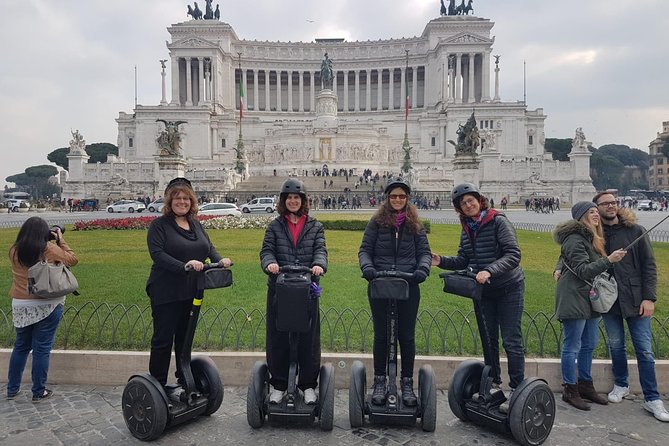
Rome is a city built for wandering, but its famous sights are spread across busy streets, broad piazzas, and winding lanes. This three-and-a-half-hour Segway tour lets you cover a large slice of central Rome without arriving at the Pantheon or Trevi Fountain already worn out.
I like the small group limit of 10, which gives guides such as Nico, Julio, Mario, and Eugenio room to watch the road and adjust the pace. I also like the built-in training session, especially since several guides take extra time with first-time riders. The main drawback is that a Segway requires balance, confidence, and attention around pedestrians, so this is not a carefree ride for everyone.
Key points at a glance
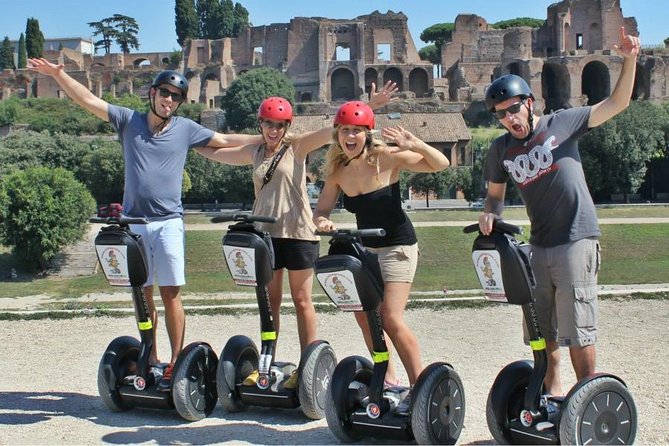
- Small groups of up to 10: You get more attention than on a large city tour, and the guide can adjust stops to suit the group.
- A proper beginner lesson: You practice riding and safety before heading into Rome’s streets.
- Major sights in one outing: The route links Trevi Fountain, the Pantheon, Piazza Navona, the Spanish Steps, and ancient ruins.
- Guides who shape the ride: Nico, Julio, Mario, Julio, and Eugenio are among the guides praised for clear instruction, local insight, and careful navigation.
- Useful in wet weather: Helmets and light-rain ponchos are supplied, although rain can still make riding less comfortable.
- Important physical limits: Riders must be at least 15, weigh between 100 and 250 pounds, and manage stairs without assistance.
Why a Segway works well in central Rome
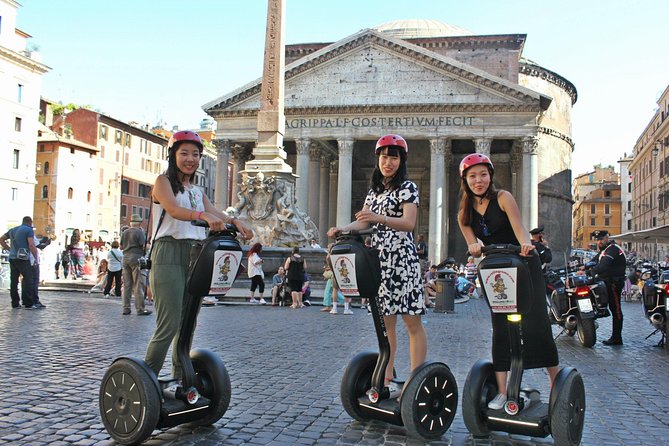
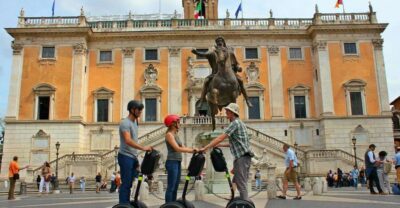
Rome rewards curiosity, but walking between its headline sights takes time. The Segway gives you a practical middle ground. You move faster than a walking group, yet you can still stop in piazzas, hear the guide explain a monument, and take photographs.
The route is not a museum tour with long indoor visits. It is an outdoor circuit through the historic center. That means you see many landmarks in one morning, afternoon, or evening, but you should not expect a detailed visit inside the Pantheon or a climb through an ancient site.
I see this as an excellent first-day activity. You get a broad sense of how the center fits together, then you can return on foot to the places that deserve more time. It also helps you save your legs for the Colosseum, Vatican Museums, or an evening stroll.
The small group matters. A guide can slow down for a nervous rider, answer questions, or tailor the route when the group has already seen one of the main stops. Several guides have asked what people wanted from the outing and adjusted the ride accordingly. That personal touch is harder to provide when a group numbers 25 or 30.
More Segway City Tours in Italy
- Bari: Sightseeing Segway Tour
★ 4.8 · 175 reviews - Flamingos Sightseeing Segway Tour
★ 5.0 · 45 reviews - Messina Shore Excursion: City Segway Tour
★ 4.5 · 9 reviews
Starting at Piazza del Gesù
The tour begins and ends at Rolling Rome, at Piazza del Gesù, 47. The shop has Wi-Fi, a toilet, and luggage storage, which is handy if you arrive before check-in or have a small bag with you.
You will need to show identification with your confirmation voucher. Hotel pickup and drop-off are not included, so plan your own way to the meeting point. The area is close to public transportation, but you should still allow time to find the shop and complete the safety briefing.
Do not arrive carrying a large bag. A compact day bag is more practical, and breakable items are a poor match for a ride through crowded streets. Wear comfortable shoes, since you will step on and off the Segway and walk around the stops.
The first few minutes: learning to ride
The pre-tour lesson is one of the most important parts of the experience. You learn how to move, stop, turn, and handle the Segway before setting off. Helmets are provided, and the guide checks that everyone is comfortable.
Most first-time riders need a few minutes to get the feel of the machine. That is normal. Guides such as Nico and Julio have been praised for staying patient while beginners find their balance. If you are nervous, tell the guide at the start rather than trying to keep up silently.
Once the group leaves the shop, you need to stay alert. Rome has sudden pedestrian movement, narrow spaces, and people who stop without warning to take photographs. One particularly useful piece of advice is to keep valuables secure and avoid bringing fragile objects. The guide leads, but you still control your own machine.
Trevi Fountain, Rome’s grandest water show
Trevi Fountain is usually the first major stop. It is Rome’s largest and most famous fountain, crowded for good reason. The Baroque design fills the space with stone figures, water, and theatrical movement.
You have about 15 minutes here. That is enough to admire the fountain, take photographs, and hear the main story, but not enough for a quiet, detailed study during the busiest part of the day. Keep your attention on the Segway and the group when leaving, since the surrounding streets can be tight.
This stop gives you an immediate sense of the tour’s value. You reach one of Rome’s essential sights early, then continue without spending half the day walking between major landmarks.
Same city, a different route:
- Rome Sights by Segway Tour
★ 5.0 · 1,543 reviews - Rome: Sights by Segway Tour
★ 4.9 · 536 reviews - Milan: Sights by Segway Small Group Tour
★ 4.9 · 450 reviews - Cagliari: Guided Segway Tour
★ 4.9 · 314 reviews
Campo de’ Fiori and the daily market
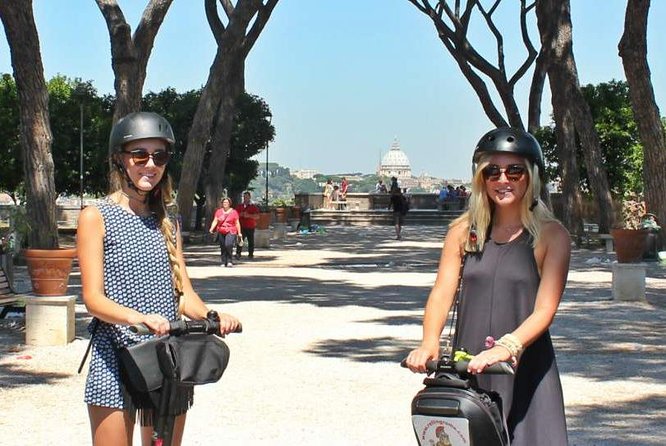
The next stop is Campo de’ Fiori, a working square best known for its daytime market. You have roughly 10 minutes here, so this is a quick look rather than a full market visit.
The square adds a different note to the tour. Trevi Fountain is a grand monument, while Campo de’ Fiori connects you with the everyday side of central Rome. Depending on the time of day, market activity may shape what you see. If browsing stalls is important to you, return later on foot, since the scheduled stop is brief.
The Pantheon and an ancient engineering marvel
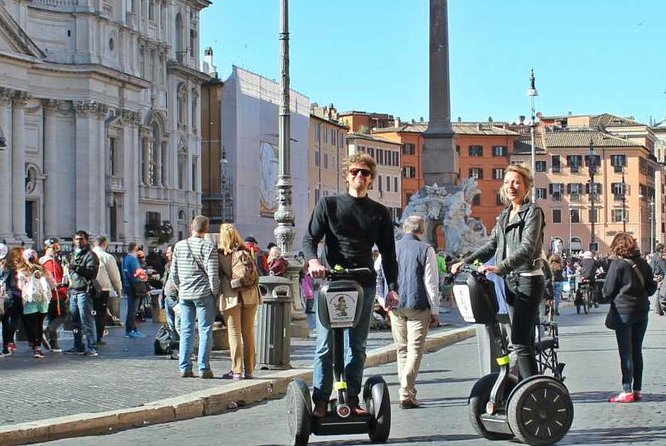
The Pantheon receives about 20 minutes, one of the longer stops. This ancient building is remarkable because it remains standing and still feels like a real part of the city rather than a distant archaeological ruin.
The guide can explain the building’s form and its place in Roman history from outside. The supplied tour information does not include an admission ticket or promise an interior visit, so treat this as a sightseeing stop rather than a guaranteed indoor tour.
That distinction matters. You will learn more if you return later for a proper visit, but the Segway outing gives you useful context and helps you decide which sites deserve a second look.
The Spanish Steps and the Fountain of the Old Boat
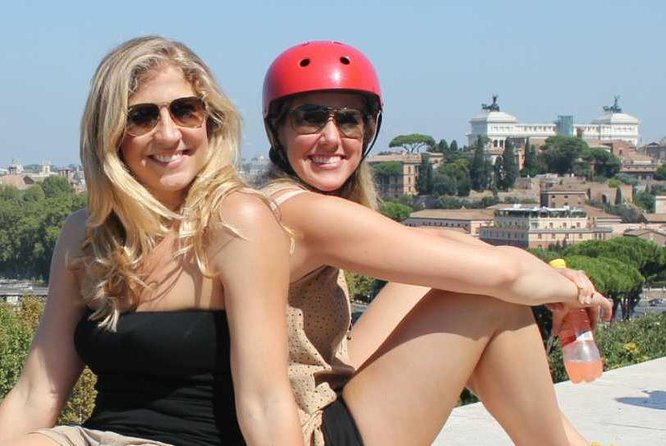
The Spanish Steps are another short stop, about 10 minutes. This is one of Rome’s most recognizable meeting places, with the Fountain of the Old Boat at the foot of the steps.
You will have time for pictures and a short explanation. You should not expect to ride up or down the steps. The tour is about seeing the site and moving on, not treating the steps as a riding area.
This stop also shows why comfortable footwear matters. Riders must be able to climb and descend stairs without assistance, even though the Segway itself does much of the covering between sites.
Piazza Navona and the old stadium below
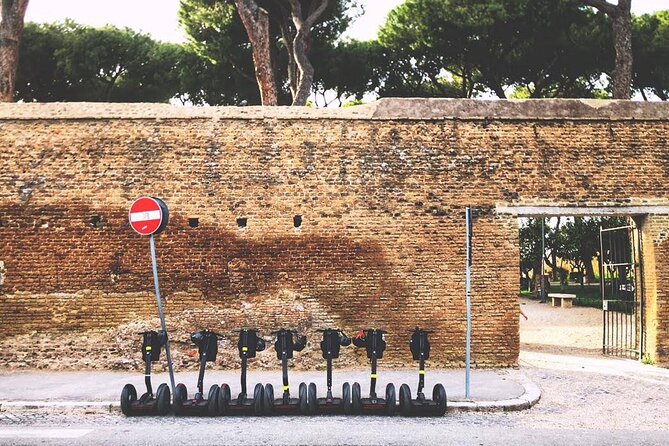
Piazza Navona gets about 20 minutes, making it one of the fuller stops. The square follows the shape of an ancient Roman stadium, and its open design makes the connection between modern Rome and ancient Rome easy to understand.
The guide points out the Fountain of the Four Rivers and the Church of Sant’Agnese. This is a good place to pause, look around, and absorb the layout rather than simply check off another landmark.
Because Piazza Navona is broad, it is also one of the easier places for the group to regroup. You may find this stop more relaxed than the tighter streets around Trevi Fountain and the Spanish Steps.
Piazza Venezia, Trajan’s Column, and Via del Corso
At Piazza Venezia, the route shifts toward monumental Rome. You see the Vittoriano, Palazzo Venezia, Mussolini’s former office, and Trajan’s Column, which has occupied its site for nearly 2,000 years.
The square also marks the beginning of Via del Corso, one of central Rome’s main roads. The stop lasts about 15 minutes, giving the guide time to connect imperial Rome, modern government, and the city’s traffic patterns.
The information provided lists admission as not included here. In practice, the tour is built around exterior sightseeing, so do not assume that any interior entry or monument ticket is part of the price.
Largo Argentina and the ancient temples
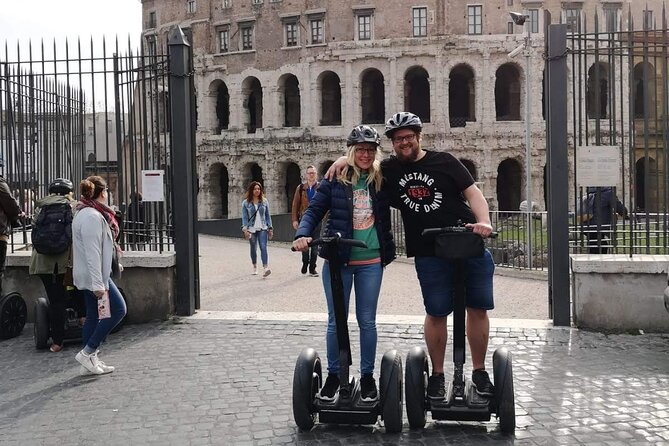
Area Sacra di Largo Argentina is a short five-minute stop, but it brings a much older layer of Rome into view. The site contains the remains of ancient Roman temples.
This is a good example of how the Segway helps you see more than the most famous postcard sights. You get a quick explanation, a chance to look over the ruins, and then continue through the center without committing an hour to one archaeological area.
Five minutes is not enough for a full archaeological lesson. If ancient ruins are your main interest, you will want separate time for the Colosseum, Roman Forum, or a longer visit to other sites.
Palazzo Mattei and the Turtle Fountain
The route also includes Palazzo Mattei and its famous Turtle Fountain. This is a smaller architectural stop, with about five minutes to take in the fountain and hear its story.
I like this part of the route because it breaks up the sequence of famous squares. Rome is full of details that are easy to miss when you rush from one major monument to the next. The stop is short, but it gives you one more reason to look closely at the streets around you.
The Temple of Hadrian and the return ride
The itinerary also includes the Temple of Hadrian. The supplied timing does not give this stop a separate duration, so the amount of time here may depend on the group and the guide’s pacing.
By the time you reach the end, you have seen fountains, churches, ancient temples, political monuments, and public squares. The tour returns to the Rolling Rome shop, so you finish where you started rather than having to arrange a ride back from another neighborhood.
The guides make the difference
A Segway is a tool. The guide determines whether the ride feels like a useful tour or simply a fast lap around the center.
Nico is repeatedly praised for patient instruction, historical explanations, and careful attention to safety. He has also adapted routes to the interests and confidence of the group. Julio is noted for giving riders time to practice and for watching the whole group on the road. Mario has led rides toward less familiar parts of Rome when the group wanted something beyond the standard sights.
Other named guides include Eugenio, Roberto, J. Paul, Gabriel, and Emmanuelle. The strongest pattern is not a single scripted personality. It is the combination of local stories, clear communication, and care around traffic and pedestrians.
That said, you should remain an active participant. The guide can point out hazards and set the route, but you must steer, brake, and watch the people around you.
Price and what you receive for $108.61
At $108.61 per person, this is not the cheapest way to see Rome. You are paying for a three-and-a-half-hour guided experience, the Segway, helmet, training, poncho for light rain, taxes, and a small group capped at 10.
The value depends on how you like to sightsee. If you prefer to spend an hour inside each monument, this tour may feel rushed. If you want a guided overview that covers much more ground than walking, the price is easier to justify.
You are also buying time and energy. The route reaches several central sights in one outing, and you still have enough strength afterward for a museum, dinner, or another walk. Group discounts may be available, which can improve the value for families or friends booking together.
Admission fees are not included, and the experience does not include hotel transport. Keep that in mind when comparing the total cost with other city tours.
Rain, comfort, and physical requirements
Ponchos are supplied for light rain, so a damp forecast does not automatically ruin the plan. Still, riding on wet streets can feel less comfortable, and you should dress for the weather.
In some poor-weather situations, the company has offered a golf-cart tour instead when Segways were unavailable. That can be a sensible alternative, but you should treat it as a possible arrangement rather than a standard part of the Segway booking.
The tour is intended for people aged 15 to 70. Riders under 18 must be with an adult. You also need to weigh at least 100 pounds and no more than 250 pounds, and you must be able to climb and descend stairs without help.
Most people can participate, but balance and comfort matter more than age alone. If crowded streets make you anxious, a private or less busy time may suit you better, though this product is offered as a small group rather than a guaranteed private ride.
Who should book it
I would choose this tour if you have limited time in Rome, want a broad first look at the center, or enjoy an active outing with historical commentary. It is especially useful for families with older teenagers, couples, and adults who want to cover ground without a long walking day.
It suits first-time Segway riders because training is included and the guides are attentive. It also works for experienced riders, who may appreciate the chance to request less familiar parts of central Rome.
I would hesitate if you dislike riding near pedestrians, need a fully step-free activity, or want long interior visits. The tour moves through public streets, and the popular stops can be crowded. You need to stay alert, even when the guide is doing a careful job.
FAQ
Where does the Rome Segway tour start?
It starts at Rolling Rome, Piazza del Gesù, 47, 00186 Roma RM, Italy. The tour also ends back at the same meeting point.
How long does the tour last?
The tour lasts approximately 3 hours and 30 minutes.
What sights are included?
The route includes Trevi Fountain, Campo de’ Fiori, the Pantheon, the Spanish Steps, Piazza Navona, Piazza Venezia, Largo Argentina, Palazzo Mattei, and the Temple of Hadrian.
Is the tour suitable for beginners?
Yes. A Segway lesson covering riding and safety takes place before the tour begins. Helmets are provided.
What is the minimum age?
The minimum age is 15. Anyone under 18 must be accompanied by an adult.
What should I bring?
Bring identification with your confirmation voucher, wear comfortable shoes, and avoid large bags. The company recommends not carrying breakable items while riding.
Can I cancel for a refund?
You can cancel up to 24 hours before the local start time for a full refund. Cancellations or changes made less than 24 hours before the start time are not refunded or accepted.
Should you book this Rome ride?
Book it if you want a lively overview of central Rome and are comfortable learning a new machine. The mix of famous sights, small archaeological stops, practical training, and attentive guides makes it a strong choice for seeing more in less time.
Skip it if your priority is slow museum visits, quiet photography, or a completely effortless way to move around. For the right rider, though, this is a smart way to get your bearings, save your legs, and see Rome from a street-level view that a bus cannot provide.
Just added around Italy
- CSTRents – Verona Segway PT Authorized Tour★ 4.0 · 24 reviews
- CSTRents – Palermo Segway PT Authorized Tour★ 3.5 · 12 reviews
- Taormina Shore Excursion: City Segway Tour★ 4.5 · 3 reviews
- CSTRents – Syracuse Segway PT Authorized Tour★ 4.5 · 8 reviews
- Palermo Shore Excursion: City Segway Tour★ 4.0 · 5 reviews
- CSTRents – Cefalù Segway PT Authorized Tour★ 3.0 · 6 reviews
- Hills of Ancient Rome Segway Tour★ 5.0 · 28 reviews
- Rome Private Segway Tour★ 5.0 · 15 reviews
Rome Segway Tours, compared.
Browse the lists this tour appears in